Home / Things to Do in Cartagena
Travel guide
Things to Do in Cartagena
Five centuries of history on one side, the Caribbean on the other. Here is what is genuinely worth your time, and how to fit it together.
Five centuries of history on one side, the Caribbean on the other. Here is what is genuinely worth your time, and how to fit it together.
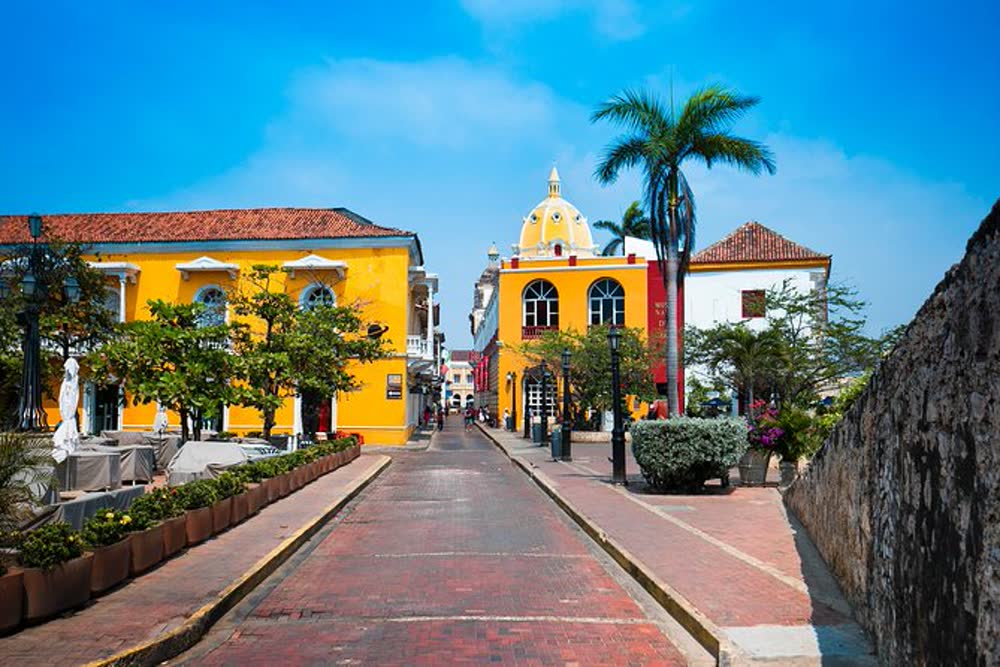
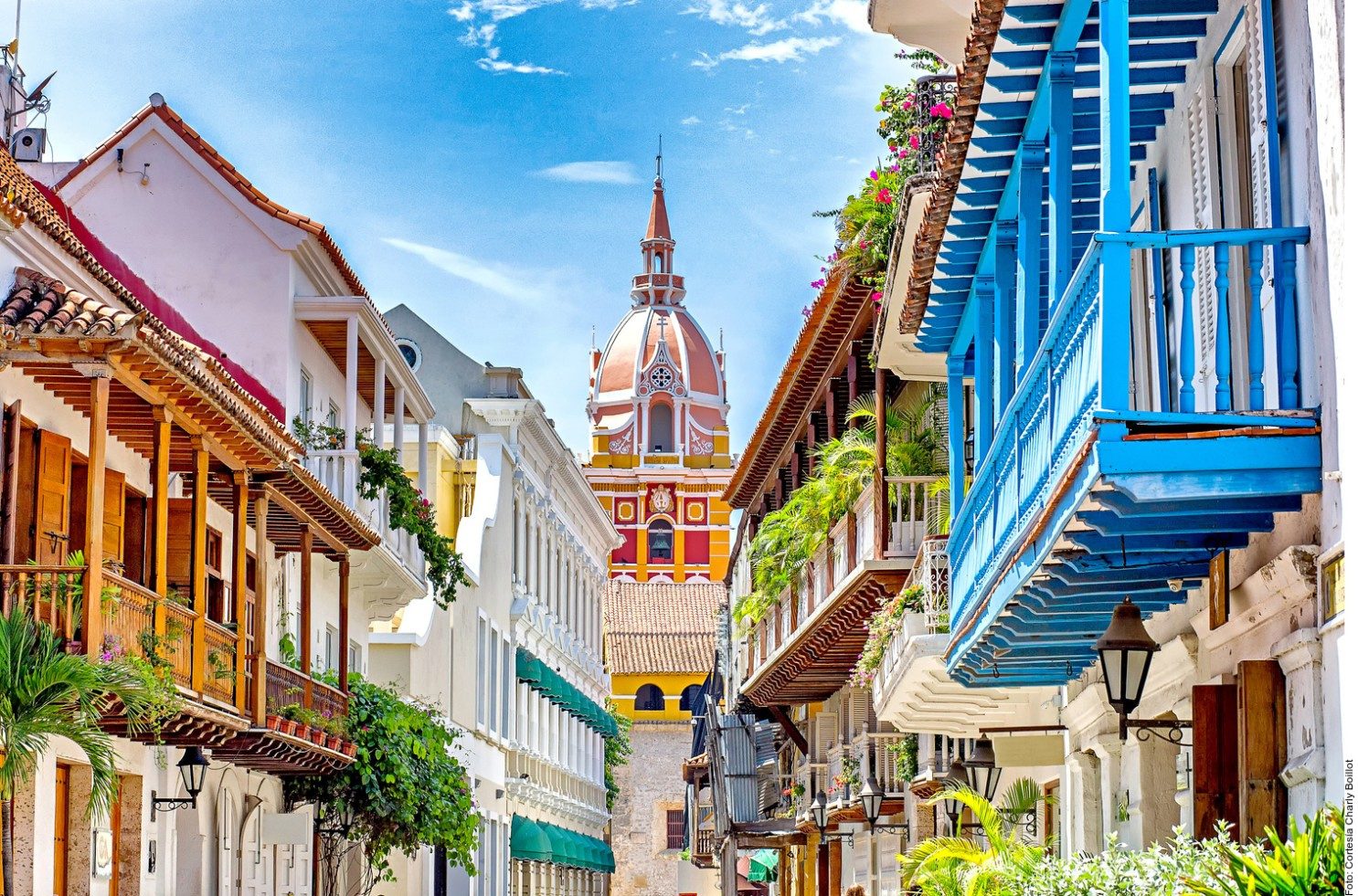
Start with the walled city. The old town is compact, walkable, and best in the late afternoon when the heat eases and the light turns gold. Torre del Reloj, Las Bovedas, the balconies, the plazas: this is the Cartagena on the postcards, and it earns it.
Then San Felipe Castle, the fortress above the city, built to hold off empires. The chiva city tour covers the castle, Bocagrande bay, and the old town in one relaxed afternoon, which is why it is the easiest first day in the city.
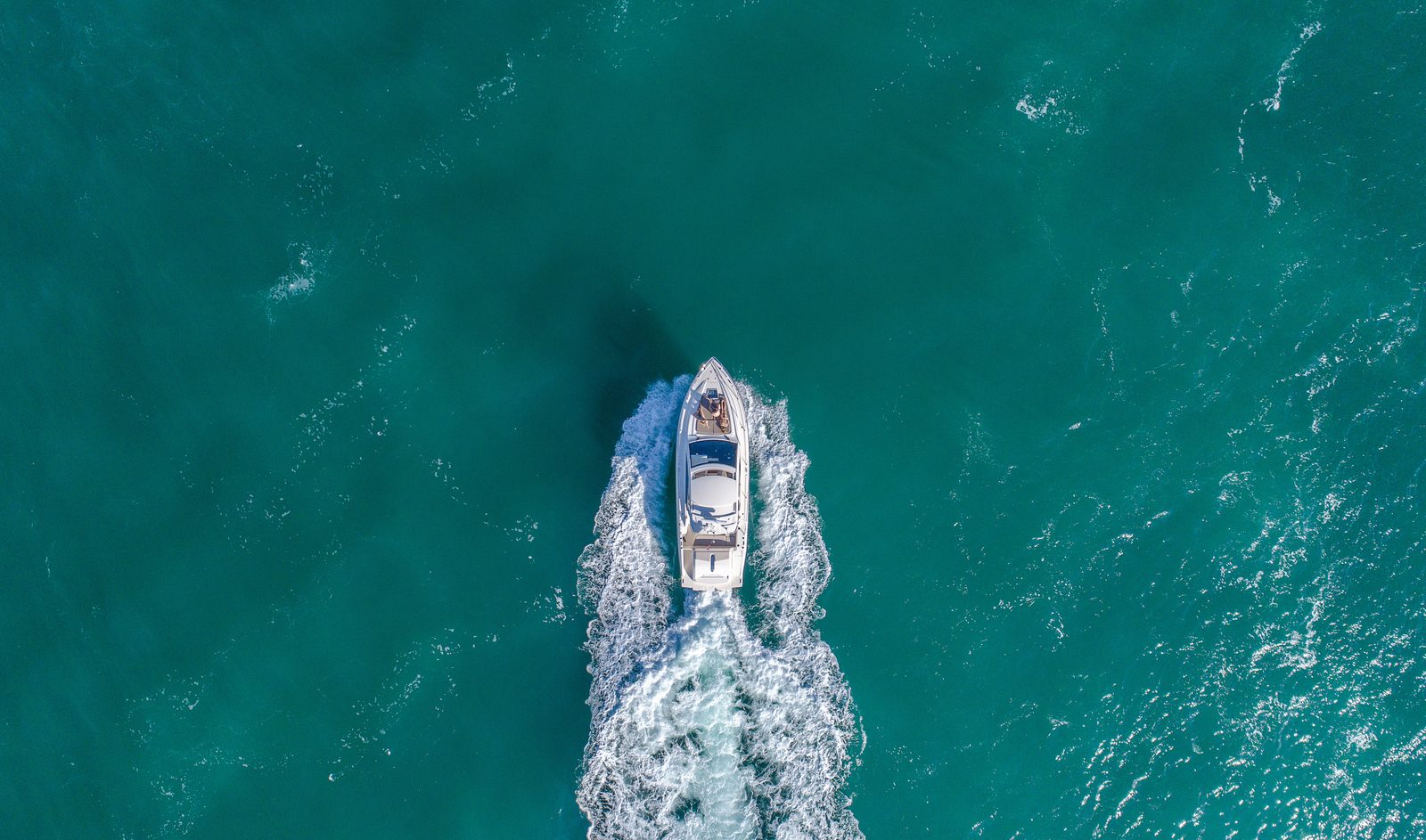
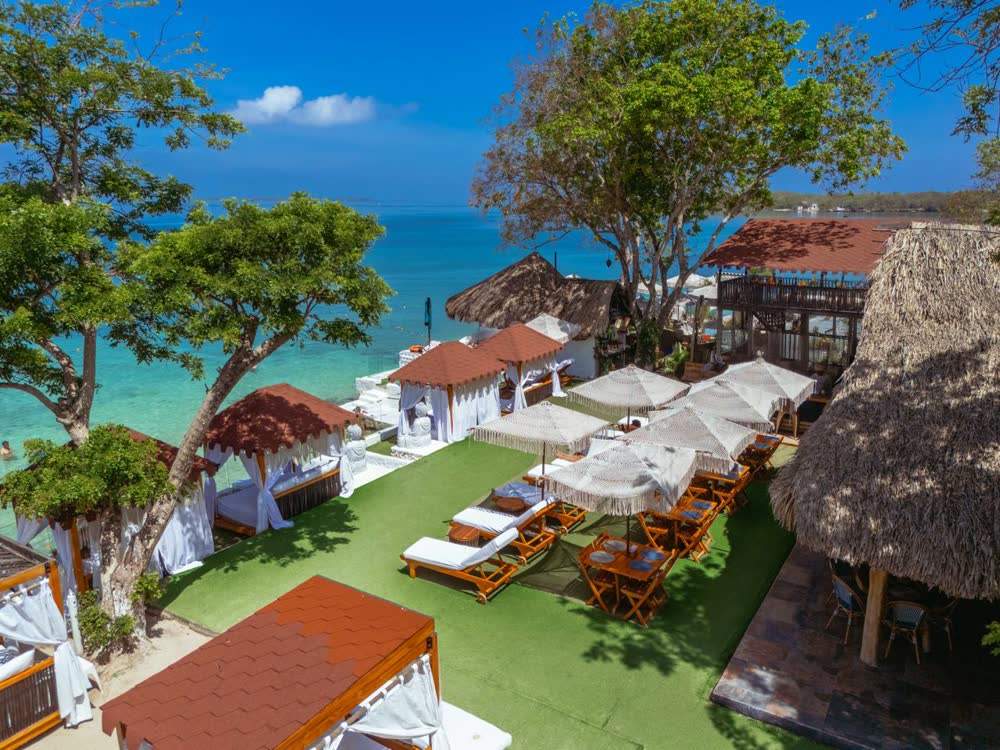
The islands are the other half of Cartagena. The Rosario archipelago sits about an hour offshore: coral reefs, water in impossible colors, and beach clubs where a day disappears. If you only have one island day, island hopping shows you the most, and the plankton at the end is worth staying for.
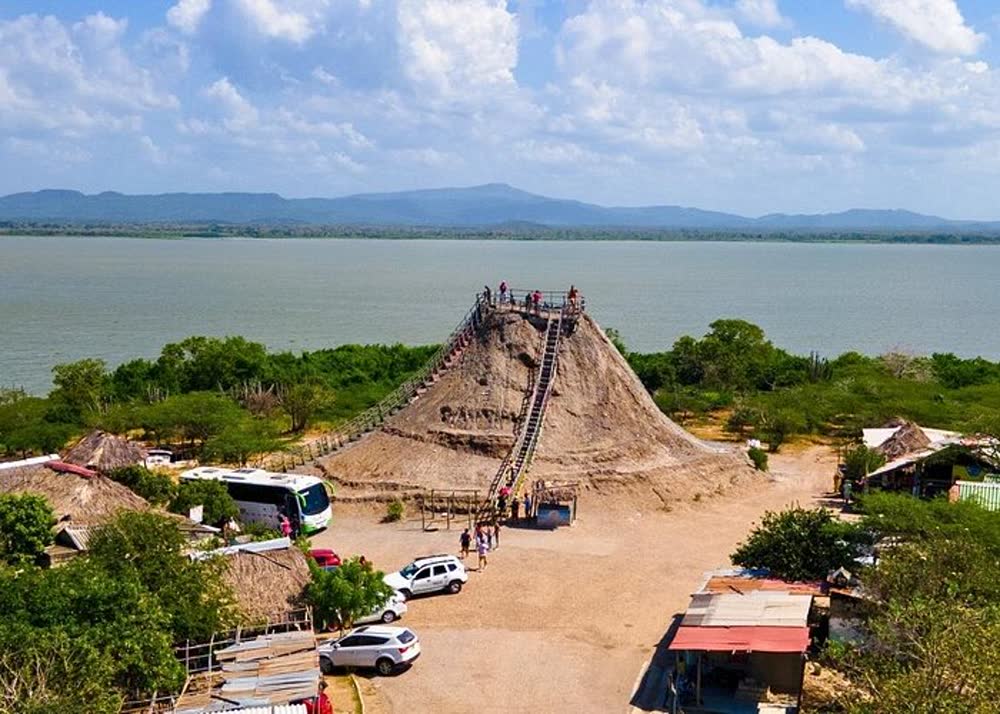
The Totumo mud volcano is the strange one, and the one people talk about afterward. You climb into a crater of warm mineral mud, float in it, then rinse off in the lagoon. It is undignified and completely worth it.
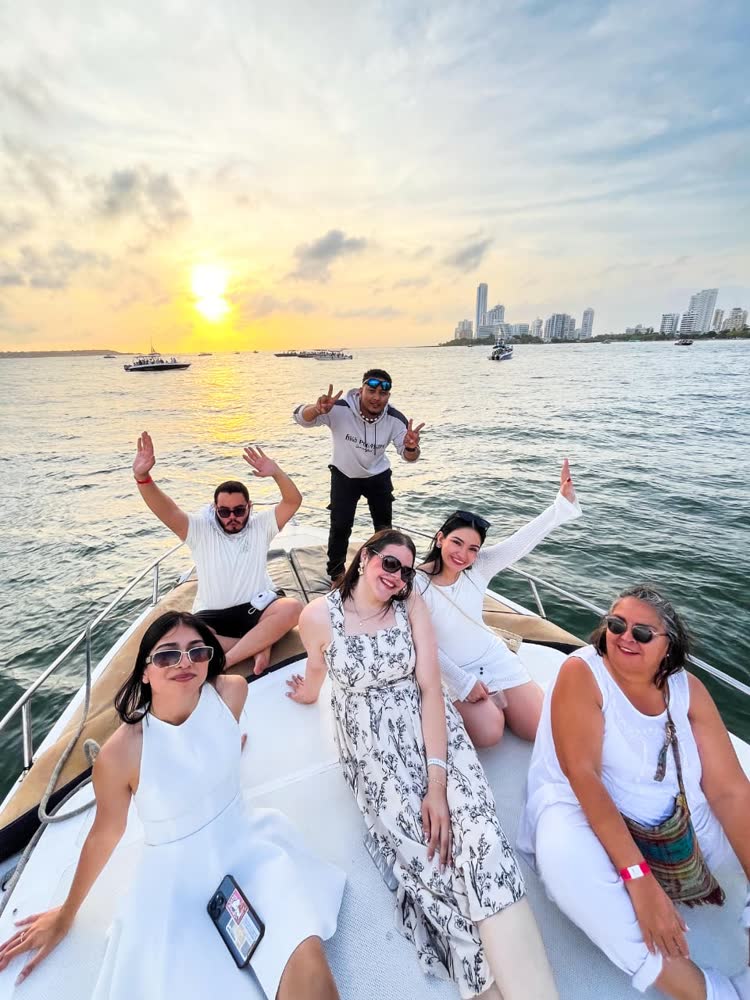
At night, the bay. The party boat runs two evening departures with an open bar and the skyline lit up behind you. Cartagena after dark is a different city.
Three days covers the old city, an island day, and one more experience such as the mud volcano or a night on the bay. Four or five lets you slow down.
For first timers, the walled city and an island day to the Rosario archipelago. The chiva city tour is the easiest way to see the city on day one.
The walled city is very walkable, especially in the late afternoon and evening. Getting to the islands, Baru, or Totumo requires transport, which our tours include.
The old town at golden hour, and at least one day on the water. Those two are the heart of the city.
Message us with your dates and group size. We reply fast, in English or Spanish, and help you pick the right experience.